Showing posts with label gaming analysis. Show all posts

Sunday, June 11, 2017

Why Microsoft needs a fresh user base for the Scorpio to succeed.

Microsoft Scorpio

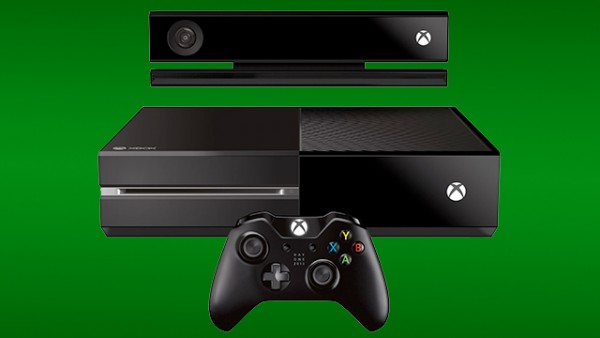
The moment is almost here and as gamers all around the world count the hours, we get near to the final unveiling of Microsoft's new console, up until now called Scorpio (which is a kick ass name so they should keep it). Now the question is... how can Microsoft convince gamers that their new console is the real deal after the Xbox One lost the battle against the PS4?

The answer is easy... They need a fresh user base with a more open mind. 

Xbox One


Take a moment to think about what happened to the Xbox One. Regardless of how dumb the initial pitch was and how their PR disaster hurt the console's launch, it managed to recover and sold relatively well. Some people thought that they were going to have a comeback in the console race, especially after the console had a really strong Christmas 2016, but once January 2017 came it all deflated and has been practically inert ever since. You want to know why? Well prepare yourself.

The main reason the Xbox One lacked the strength to close the gap was because its user base was really narrow in their gaming selections and that limited not only the amount of players, but also the opportunity of having a good variety of games, which most often than not turn into direct sales of the console itself. Sadly the Xbox One carried the effects of the blight of 2008 and that really hurt the potential of an otherwise awesome console.

MTG Blight


What was the Blight of 2008?

I like to call "the blight of 2008" to that period in the previous generation of consoles where all the attention in the market shifted to two three genres which were first person shooters, racing and sports games. Every other genre was basically ignored and month after month the leaders in sales were games in the genres previously mentioned. Don't take me wrong, I love those types of games too, but on those days they were like a giant black hole that was swallowing everything. It was so bad that even the once proud Japanese companies started imitating their Western counterparts in a desperate attempt to have better sales. It was the couple of years that had sad incidents like the president of Square Enix giving his infamous "ultimatum" about them catering to the west and the death of many good games because of  poor sales. This went on and on with many franchises been either changed or dumbed down until the current consoles came and brought back the balance we had enjoyed for the previous 20 years and had momentarily lost in the days of the blight.

Microsoft Scorpio


So what does the Xbox One has to do with the blight?

It makes me sad to say it, but it seems that some people believed that we are still living in the days of the blight and so they didn't supported anything that went away from their comfort zone as if they were still living in 2008. I am not pretending everybody to buy every game, but sales numbers show that the Xbox One user base was basically saying "meh we just want shooters, racers and sports", which is a thing that discouraged most third party companies of releasing good exclusives for the console and made the Xbox landscape to be based almost entirely of multi-platform games with some few exclusives thrown there now and then.

Don't believe me? Check out these articles:

79% of UK Final Fantasy XV sales were on PS4, 21% Xbox One

ReCore News: Sales Gone Bad? Microsoft Finally Made Their Move

Poor sales continue as Quantum Break hits Steam

You see? Those are examples of one multi-platform and two exclusives not performing well on the console in terms of sales. They were all good games so those failures were uncalled for.

Microsoft Scorpio


Then what Microsoft needs to do to fix this?

What Microsoft needs to do from today on can be divided in two things. First they need to win over people that fled to other consoles because of the lack of the games they wanted and second, they need to re-educate they loyal fans to support more types of games than they did with the Xbox One. They need to immediately state that the console will be powerful, sexy and with lots of different games to support that power. Otherwise, they may have another Xbox One situation on their hands and that would be really devastating for the Xbox division within Microsoft.

Saturday, June 3, 2017

E3 2017: Keys to Victory

In pay per view boxing matches, there is something called "keys to victory" which is a small pre-fight analysis of what each boxer needs to do in order to maximize his chances of winning. Today we are going to once again use that format to do a little analysis and see what each company needs to do in order to get that "winner of E3" title.

Why is winning E3 a big deal? Well, when a company "wins" an E3 event the grand prize is lots of hype and most often than not hype traduces itself into sales and sales very often turn into good games been considered for the platform in the near future. So without any further delay, lets see what each company needs to do in order to win it.


Microsoft
Up until now, Microsoft has had a really tough first half of the year. Looking on the bright side, the Xbox One has been getting good initiatives like the Netflix-like gaming service, but without many games to keep its user base engaged it has remained quite cold in the house of Xbox. In order to win this year's E3 their strategy has to be to push the Scorpio along with a barrage of exclusive games. Seen a revival of Scalebound as a Scorpio exclusive will sting a little (if you own an Xbox One), but would be a valid strategy. Other big games that could be revived are Fable and even KOTOR (Star Wars: Knights of the old republic). Once again the key for them is variety as the Gears-Forza-Halo combo will not be able to carry their new system to where they want it to be. They need to re-shape their fan base into something that welcomes more types of games and this E3 event is a great chance for them to do so.

Strength: Having a new machine to show gives them an edge if they know how to use it.

Weakness: Consumer confidence is quite low considering the poor first half of the year that the Xbox One had.


Sony
Sony is in a complex situation. They had a wonderful first half of 2017 with a parade of great third party games, but with few announcements and rumors in the last 5 months and with Final Fantasy 7 remake and Kingdom Hearts having difficulties it looks as if they have spent most of their bullets and are now facing a drought. With their situation been like it is... Can they win it this year? The answer to that question is yes, but they need to prove that the drought is not coming and that we have something to look forward to in the next 5 months. We all know that new gameplay will be shown of some games that were already announced, but if we don't get some cool surprises along with some solid release dates, we might have a so-so conference at best. The pressure is on them to keep the ball rolling.

Strength: Great first half of 2017 has the consumer as happy as they can be. The overall attitude is positive and many expect Sony to have an ace under their sleeve as they have done for the last 3 years.

Weakness: Expectations are so high that Sony will have a hard time topping themselves and anything less than what's expected could be seen as dim and uneventful. 


Nintendo
Right now, Nintendo is having a great time. Their gamble with the Switch paid off and they are as we speak a very close second to the PS4, month after month since the Switch was released. Now, the problem for them with this years E3 is that most of their surprises have once again (like last year) been either leaked or announced on ahead of time, leaving them with little mystery and intrigue, things that are needed in this type of event in order to have a big impact on the audience. 

Another fact is that even with the success they are having, they still won't give a big conference and once again rely on their Nintendo Direct videos, which are cool, but don't have that extra "umph!" that big time conferences give. So if things are like this then what does Nintendo need to win? The best bet they have is having secret stuff that they can use to blow us away when they are finally mentioned or showing what they have in a brilliant way, so they can lure us into the hype train. How can they do this? Well, details about the Splatoon 2 and Arms tournament can be a good start along with details about their Netflix-like retro game service and maybe one or two new Switch games that haven't been announced.

Strength: Great momentum since the Switch was released, even bigger that the one they had with the Wii in 2006.

Weakness: Unless they have some good secrets to unveil, everything new about the big N is already known.


Wrapping things up:

E3 Fight Forecast


This years E3 will be a good one with solid game play and maybe a few surprises in a really close fight between the main competitors, but try not to expect a "dreams come true" hype fest like the last one, because it is very unlikely. Let's just enjoy what we will get and get excited about the things that will be announced while hoping that the momentum that 2017 brought can last for a long time. 


Friday, December 25, 2015

The real reason why old school gamers are not so hyped about modern games

Hey folks, I wasn't going to write today (just after Christmas), but while playing Dark Cloud (the PS4 version) I realized that all this time I have been analyzing and ranting about the old school vs new school topic in a very superficial way. First, I am going to shoot down all my own misconceptions and then I'm going to explain my new point of view on this subject, so let's get busy and start this up. Keep in mind that the phrases that are bold and underlined will serve their purpose on the final explanation.

Warning: This article came a little longer that I expected so I hope you like reading

Yes, it is incomplete, but it takes a while to get to the end.

Misconception #1: Modern games are smaller in scope.

This one has been going around my head for a while now. Some gamers say that modern videogames have become smaller in scope, but the advent of open world and sandbox games beg to differ. The truth is that if we take some exceptions out of the equation, games seem to be getting bigger, for example Metal Gear Solid V even in its incomplete state is still bigger than the previous installments. Now let's be clear about something. Modern games have become bigger and have more stuff to do, but bigger isn't always better, keep that in mind.

Once again glued to a game that has the same simplicity as some of the modern ones.

Misconception #2: Modern games are too simple.

In order to debunk this failed hypothesis, I had to look back at some of the games that are considered classics. Take Dark Cloud for example. The premise of that game is really really simple and although the game is really good, it is basically a dungeon crawler that tried to have a Legend of Zelda vibe (Sony even dared to call it "The Legend of Zelda Killer" at the time). It is quite safe to say that if it weren't for the re-building towns element and the interesting weapon system it had, the game would had passed under the radar at the time and to be frank, the first time I saw it I wasn't so moved by it, mostly because I was accustomed to other types of JRPG and was not into their simpler brethren called dungeon crawlers. What I mean by all this is that modern games are not necessarily simpler in nature when compared to old school classics, so that means that simplicity is not the problem, but the overdoing of simplistic ideas.

Sometimes it is just obvious, but oh well...Keep reading.

Misconception #3: Modern games always hold you by the hand.

This one is half true, but only on certain games and some limited aspects. Don't get me wrong, I am pretty much against games becoming casual oriented, but I have to admit that many technical fixes that have come to pass are really good. From been able to skip cutscenes, smarter save game schemes, been able to continue from more reasonable points when losing (avoiding having to repeat all the story cutscenes and build up) are nice fixes that eliminate some of the annoyances that we used to suffer in the past. The problem begins when developers try to fix what it's not broken.

Repetitive is one thing, but zombified in front of the screen is another.

Misconception #4: Modern games are mindless.

This one is one of those complaints that gets repeated over and over again over an old school vs new school argument, but if we take a look at the classic games we still enjoy and defend so much, we can see that this statement crumbles beneath its own weight. Many of the games we see as "heralds of a better era" can be pretty complex, but also many of them are quite mindless. In fact, some of them actually rely in the repetition of actions (like grinding) and design patterns that follow a loop, which are things that we mostly blame on the modern era, but were there from the very beginning. Now with that out of the way we can state that the level of "mindless gameplay" is not a defining factor and that the real issue is how they handle that mindlessness, because a game can be monotonous and fun, but only if doesn't make it a vain and pointless process.


What we old school gamers really think then?

That is a question that has a really simple answer and while it may look as if I am criticizing my own way of thinking as a gamer, believe me I am not, as this is perfectly o.k. and I even encourage it so bear with me. The real thing about us old schoolers vs modern gaming is just one thing...

We don't want to compromise our gaming experience

You may be asking yourself what I meant by "compromise" so I will explain. By "compromise our gaming experience" I meant having unwanted mandatory changes that feel like baggage in the mind of any old schooler who values a simple, but solid gaming session. For example:


  • We sometimes resent and classify a certain game element as unnecessary because it becomes a hassle and it feels like it's been force fed to us. 


  • On other occasions we see how the developers took a familiar sense of simplicity and exaggerated it exponentially to a point where we feel like we wasted money on the game. 


  • At some points we may even feel that all of our efforts in a game have no real value because we are only catering to a network structure that aims to keep us playing for years (mmorpgs don't count for this statement) making it all feel like a chore or like a mobile game on steroids. 


  • Last but not least, we sometimes feel like a game tried to be so big and open that each objective feels like a mile away with a path filled with pointless filler content. It's like having to go to the grocery store to get some supplies, but having to talk and do some favors to each of your neighbors before you finally get to the place you wanted to go on the first place. Some games do really good at this, but then companies start to imitate the trend and quality is lost. This serves to prove that not every game is meant to have an open world. 


For us, some modern elements that have become standards are just extra weight that we don't need. We feel that resources could be put to a better use and that we should go back to having games that are dualistic in nature (main game + extra stuff) rather than a merge of "one size fits all" features. Some modern games still do the right thing, but many don't, and we don't understand why they become hits in the gaming scene. It is quite complex to say this, but although we were raised with old school games, we feel like we are actually regressing to the days of Atari instead of the modern gaming perfection we expected. Maybe this is because most of us were raised in the 90's so we didn't lived those rudimentary gaming days in the 70's/early 80's so our school of thought is in the middle of gaming history (for the time being).

gaming industry today
This is the gaming industry as it stands today (minus a few exceptions)

In summary, we just don't want to compromise our gaming experience for the sake of others (mostly the game publishers out there). We don't think that the gaming scene has changed so much from the days of old, but we feel like it is out of balance and 100% profit oriented instead of been something that really caters to everyone (they use that phrase a lot these days, but we all know that most of the time it is not true).

Now that all the explanation has ended, tell me what you think. Is this is the real reason why old schoolers are skeptic about the future? Is it selfishness or only a set of high quality standards? Is our gaming taste just too expensive to make? Reading about your thoughts on this subject would be awesome.

Sunday, June 14, 2015

Game Doctrine E3 Special

Game Doctrine is a little side project I have been working up with a friend and what better way to introduce our little wacky antics than I showing you our E3 special. If you don't understand some aspects of this episode you can look for previous ones so you can see what it is all about, hope you all enjoy it.


Game Doctrine is shaping up to be a channel that mixes up gaming discussion and criticism with a simple storyline and lots of extras that will be added as we go. I know we have a lot to improve, but we are working to make this a better channel and have lots of ideas that we will be implementing in the future. If you liked the video then help us out by liking, subscribing and sharing the video as it will be of great motivation to us.

Sunday, April 5, 2015

Bloodborne - types of death for careless players

Yeah, Bloodborne is here and while a lot of people is just mesmerized by it and have been playing for countless hours (myself included), others are still struggling and counting themselves out of the experience just because the game seems to be "too hard". The reality about this is that Bloodborne while challenging, is not as difficult as previous related titles like the Demon Souls/Dark Souls games. The base difficulty is kind of the same, but the game mechanics differ so much in style that this time players can feel a lot more comfortable while hacking through the hellish creatures that inhabit the nightmarish places that they will go through.

Why do I write an article such as this without tangible tips?

Well, while others can tell you a lot of technical stuff like how to get insight or where to grind for blood or what pattern to use against a boss, your real enemy in any game like Bloodborne is yourself. The reason for this is that we have a few attitudes that work against us and that are very apparent in a game like this, so today we will see some of them so you can spot them and make your own adjustments, unless you want to keep dying and dying, ad nauseam without an apparent logical reason. Now without any more introduction let's begin the list.

Bloodborne Cleric Beast

Expecting a land-slide "photo finish" victory  = discouraging death.
I personally had this problem and while it is sometimes kind of obvious, it is quite hard to neutralize. We sometimes just expect to land a lucky combo and just rally to the finish. It is like playing a baseball game, scoring 15 runs early and just continue on cruise control until the end of the game. The truth is that this will almost never happen in Bloodborne (or any souls game), so you have to accept this or else you will get very discouraged each time a boss lands a hit on you basically letting yourself die because you didn't thought that you could fight back and win. Most of the time it takes some Rocky style "go the distance" struggle before you can fell a beast and survive. It will not always be pretty or easy, but it is very satisfying.

Thinking that grinding will make bosses a breeze = deserved death.
This one may be an attitude that newcomers could find themselves with. The grinding and leveling in Bloodborne is faster than any of the other related games, but that doesn't mean that adding up stat points will make it a breeze. The game is mostly based on dodge and attack mechanics, so even if your stats are high, if you are not fast enough when playing a boss you are going to get hit a lot and die regardless of how much you "enhanced" your character. Don't get carried away in a grind fest for too long and focus on your strategy.

Bloodborne against werewolves

Not playing with a healthy dose of confidence = unexpected death.
For both newcomers and those who have a history with the Soul games, it must had been pretty weird to keep taking damage while you were playing as careful as possible. This is because the game is designed in a way that it rewards you for been aggressive, but penalizes you if you are too shy when attacking. For example, I began my game with the Cane weapon. At first I was having problems with normal enemies because the cane has less attack power than the other weapons, but after a while a discovered that the real problem was that I wasn't attacking with authority, instead I was just trying to poke the monster to death (which doesn't work that well with crowds), so now I play Bloodborne just like I would play Castlevania and the change in my survival rate was impressive. Your #1 rule when fighting an enemy in Bloodborne should be that if the creature hesitates then you hack and slash it to oblivion.

Ignoring the potential of items = unnecessary death.
This one goes for those of you out there that are just ignoring the good assortment of items that you have in Bloodborne. Survival isn't always limited to attacking and dodging as sometimes a well placed item can be a lifesaver or just make a fight a lot easier (for example try some simple stuff like throwing an oil pot on a monster and then using a Molotov to set the thing on fire). Later on you will find a lot of good items that will serve you well in your fight against the hellish hordes and some of these items even have a logical connection to the big bad boss itself (like a certain music box).

Bloodborne father


Seen armor as a simple fashion statement = fabulous death.
Armor sets in Bloodborne are quite cool, but they have stats and some of them go a little further than just a cool looking set. If you simply change sets for their visual appearance then you must surely be a dodging master or at least finish boss fights really fast, because the type of attributes your armor has sometimes play a significant role in whether you live or die and it also applies to some normal enemies in the game. For example that church gear that doesn't look as badass as you would had liked is really good at resisting poison and that my friends is quite useful against some annoying beast that lurks around Old Yharnam.

Bloodborne Hunter

Wrapping it up:
I know that the things mentioned as tips on this article can look kind of obvious to some of you, but I know that others may be going like "damn it, I do that all the time". The cool thing is that changing those attitudes can really take your skills up a couple notches not only on Bloodborne, but on any game that requires skill and quick thinking.


Saturday, March 21, 2015

The working class or busy student gamer survival guide

There are a lot of things that we talk about gaming everyday, but it is not too often that we get into the topic of how our gaming experience changes as we get older. I'm sure anybody over 25 (unless you are rich or have somebody paying for your hobby) can relate to this, as reality and life itself clashes with the things you love to do (like gaming). Today I am going to do a little guide that gives some tips on how to keep your gaming experience as intact as possible while at the same time tending to your adulthood. Now, without any more delay, let's jump right in.

I have nothing to play
Nothing to play... If you only dedicated 20 minutes to each game or course.
1) Focus your gaming time into whatever you want the most.
You may remember the days where gaming meant play everything and master every game you touch. Well, if you are reading this it is possible that this is not so easy for you as it was 5-10 years ago. At times you most likely feel like you are not enjoying your game so much and this is because you are not advancing as much as you would like in the games that you play. You may play that epic story based game you bought for a while, but then all of a sudden you change to an online multiplayer, played a couple hours and went back to your epic solo adventure to play a little more and so on, giving scraps to each game.

At the end of the week you will notice that you haven't really progressed that much in either of them and that pisses you off and makes you feel like you wasted money on both, but before you quit gaming altogether, know that there is a solution to that problem and that is to choose a side. If you want to play your solo adventure to the very end then stick to it. If you just want to play with your friends, level up, complete the game while playing with others or just compete with other players, then do it. There is no wrong option as long as you stick to it and enjoy it. Believe me when I tell you that trying to do everything at once is just as waste of time after which you will end up with a bunch of unfinished games piling up and reminding you about how little free time you now have, its depressing.

Simpsons Mob
Almost impossible to avoid once you get focused.
2) Be prepared for a backlash.
If you are already a focused gamer, then you most probably have received a lot of criticism because of it. This rather unpleasant situation happens when focusing your gaming time to fit what you want to play when you want to play it, makes you look like an asshole in front of other people. When other gamers that are close to you (like friends or siblings) have more free time than you or when they just have different interests, they will see you like an outcast because you are not flowing into their collective. This is completely normal and no reason for you to feel discouraged.

What you need to do is to be prepared and stand your ground. After all, you buy games for your entertainment so just don't let anybody tell you what to play or when to play it. If you at some point coincide with them, then enjoy it to the fullest, but don't dedicate yourself to following the opinions of others because you no longer have the time to afford such luxury. You are no longer the 17 year old kid who could please everybody because you could play all day, everyday so grow a backbone and play whatever suits you at the moment, regardless of any criticism or peer pressure.

Gaming vs distractions
You decide who wins...
3) Forget about modern distractions while you play.
Gaming in this day and age is not the same as it used to be. Back in the past, a gamer's environment was most likely composed of a gaming console/pc and a tv/monitor (with the occasional gaming magazines thrown around the room). Now the current gaming environment has a lot more distractions coming from an always connected world. Now you have social networks, instant messaging applications, push notifications, email notifications, different types of news in your face all the time and all those kinds of modern life components that are quite useful... If you are not trying to play a video game.

Trying to get immersed into a game world or just enjoying a play session with your friends becomes really annoying when the cellphone is always getting in the way, your computer is full of people trying to make small talk (getting angry if you don't respond) or web services are bombarding you with information that takes you away from the game. The best thing you can do against all this is to temporarily ignore them or get some auto-messaging software that can tell people that you are busy. (if any of you know about a good one for Facebook I would be glad if you could share it with me). Contrary to popular belief, doing this is really good for your social life, because then when you spend time with somebody you will not be ignoring him/her in 10 minute intervals because you just cannot put your eyes away from your phone screen.

Burned out brain
Believe it or not, burn out also applies to gaming.
4) Whatever you do avoid burn out (not the game).
The fact that you like certain types of games doesn't mean that you have to be only playing that. Tip #1 may had been about focusing your gaming time, but that doesn't mean playing the same thing until you hate it. From time to time you need to take a breather and play something simple. Getting one of those mobile time wasters (without falling into the micro-transaction scam), downloading some demos or trying some indie games can be real good to your overall gaming experience. This kind of thing makes you feel relaxed and eases the tension of a gaming industry that moves a lot faster than you can follow. In fact, it doesn't even have to be about gaming, as you could just go outside, take a nap, watch a movie or any other one of those things you like to do beside gaming.

This kind of thing is also an old trick used to clear your mind when you get stuck in a game. Instead of spending more time than you have, trying to get past that nasty boss, just get off from the game for a while and try something else. Neuroscientists say that the human brain pieces together information way after initially getting it, so give some rest to your organic computer and let it work while you think on something different.

"Once processed in short-term memory, our brain’s neural pathways carry these memories to the structural core, where they are compared with existing memories and stored in our long-term memory, the vast repository of everything we have ever experienced in our lives.  This process occurs in an instant, but it is not always perfect."

The "not always perfect" part is what makes this tip necessary. If you want to read the rest of the article you can find it HERE.

Adventurer
The sky is the limit unless you limit yourself.
5) Never lose your sense of adventure!
This doesn't mean that you have to make a backpack and head to the wilderness as if you were the explorer guy in Pitfall. NOT losing your sense of adventure is all about keeping the same excitement you always had for gaming. It is understandable that been starved of time and having to do all sorts of things in order to keep been a gamer regardless of your age can make you a little too picky about games in general, but overall been too picky harms more than it helps. The gaming industry is bigger than ever and there are a lot of games coming from a lot of places, so getting into a "bleh" attitude can only take you so far. For example, don't be one of those people that talks trash about every indie game without even trying it.

Remember the days when you tried anything regardless of how stupid and senseless it looked? Remember all those "what the hell" moments that happened when playing that game you picked at the video club just because the box art looked cool? There were no "bleh" or "meh" feelings in those times were they? Well, that's the kind of enthusiasm you need to keep in order to fully enjoy your experience as a gamer while been a responsible adult at the same time. It is not easy to pull off, but once you do, it is very rewarding.

Wrapping it up
Well, folks there you have it. A small survival guide for any gamer over 25 who feels like he/she is spread too thin between adult life and gaming. Of course there are other things that affect how gaming is personally perceived after certain age, but keep in mind that you can do still do something to enjoy gaming and be the hardcore gamer you have always been.

Thursday, February 26, 2015

5 ways in which game exclusivity is still better than multiplatform

Game exclusivity is something that has really faded with time, as companies try to squeeze as much as they can from their franchises. Still, there are a couple reasons why game exclusivity is still more powerful than the all popular multiplatform even in this day and age. I know almost everybody want all the games to come to their favorite platform, but that isn't as helpful as you may believe. Now without further delay let's see the reasons why:

game pad sega
Real Sega fans remained loyal up until the end mostly because of their first party software, so that's exclusivity for you.
1) Fan loyalty and hype remains stronger.

This one has to do with how gamers picture a game in their minds and how that affects the loyalty and hype they feel for it. Let's see it this way, if a game has been on a platform for several years (sometimes even surpassing a decade) it is kind of a bucket of cold water on your head to see it drift to another audience that may or may not appreciate the game as the original fan base does. This is the same as seen your favorite baseball team suddenly change their name, uniform and state they represent. Even if the team is the same, it wont feel like it to people who had been following the team all of their lives. This emotional attachment/dis-attachment will affect how the game is perceived and how much hype it gets. For example, people have been waiting for Kingdom Hearts 3 for a long time, but one topic of discussion in various forums is that ever since they announced it as a multiplatform production it has lost a great deal of that previous hype.


game developer multitasking
Multitasking is hard, but not so difficult when you are focusing on a certain platform instead of  2 or more.
2) Quality has a better chance.

This one is very simple. If the development team is focusing on one specific platform, that means that all the resources, ideas and quality centered focus will be at 100% capacity since they don't have to divide themselves between different development kits, technical issues, etc. We saw how the multiplatform aspect severely affected the quality in games like Watchdogs and Assasins Creed Unity and that game has always been a multiplatform deal. Now imagine what happens when companies start spreading exclusive material over different plaforms and audiences...Something has to give, and that is quality.

Pacman eats dollars
Contrary to popular beliefs, this isn't always the case.
3) Multiplatform doesn't necessarily mean more profit.

This one goes a little far from conventional thinking if you take into account that publishing a game for multiple platforms can become more expensive than having it as an exclusive. This is because even if the game is identical on all the platforms involved, the audiences are not and this means that the company will have to approach each type of audience in a different way or risk the game flopping on one of them because it wasn't properly advertised. This could had pretty much been the main reason why some companies decided not to release their games on platforms like the Wii U and PS VITA. This is a matter of risk and reward and in some cases expanding the audience of a game doesn't mean that it will sell more, it just means that it will have a bit more availability and that not always traduces itself to sales.


Battle Programmer Shirase
More flexibility means better games, unless they want to scam us on purpose.
4) Exclusive game production is more flexible.

This one is a given. When a game is been developed for a specific platform it doesn't carry the same type of pressure as if the game were a multiplatform production. Game delays are easier to have (and sometimes needed), access to funding is more centralized and demands come from only one group instead of 2 or more (imagine each of the big guys from different platforms asking to have their own little advantages). Game exclusivity does have its own kind of pressure as gamers expect a lot more from the final product, but at least developers have the chance to focus and work in a tighter and friendlier environment.


Hardcore Gamer
I mean the real hardcore gamer and not the "apparently" hardcore one.
5) Game exclusivity is still pure and gamer centered.

Purism in gaming means a game that is not contaminated by any marketing or business related material. This includes games having specific "advantages" if you pre-order the game on a certain store, getting game material earlier or later based on what company made the best deals with the game's publisher/developer and last but not least, it saves the game from been divided in too many different "appeal factors" in an attempt to cater to different audiences at the same time. This "pureness" serves in our favor, because the game is custom tailored for us gamers and not as a generic business-based effort.

There you have it folks. 5 reasons why game exclusivity is still powerful and necessary. Of course this doesn't mean that it is perfect, but at least it still carries those characteristics that work for us and not against us.


Monday, February 9, 2015

A non-objective take into old school gaming

Hello folks. Up until now, I have been trying to be as objective as possible when I treat anything related to old school vs current gaming, but today I think I will go with something a little out of the ordinary and write a little more freely, just as a treat for all of the old school gamers out there. Don't get me wrong, I love many of the games that the previous and current generation have given us, but my criteria about what games are good and what games are legendary is still rooted to my old school background (especially from the 90s up to the early 00s), so now let me share with you some of my thoughts.

Details, details, details...

The first thing I must mention in this old school extravaganza is that I miss all the detail that getting a new game use to give us. With the lack of reliable internet in the 90's and a limited selection of information up to the middle 00's, buying a new game was sort of an adventure within itself. This gave a lesson to gamers at the time on how to use their imagination and intuition to fill the blank spaces that games had (because of technical issues and/or lack of technology). This attention to detail was fed by pretty much everything in sight, from clever game descriptions on magazines/catalogs, awesome looking television adverts, posters, sweepstakes, excellent box art, superb game manual content (like comics strips, detailed explanations, etc) and of course a game presentation that was hellbent on getting us interested in the game's storyline.

If you weren't alive at the time, this is how most trailers used to look like back then... 
(Be aware that this creative trailer is very recent).

Nowadays we have a lot of easy access to websites, blogs and videos that feed us with all sorts of information which is awesome, but feels somehow different. You see, back in the old school days, players received information in the same way that you could get drenched while running outside on a rainy day (raindrops = information). Now on our present times, the rain of information doesn't fall on us because we actually live in the rain cloud, which can sometimes make us feel a little overwhelmed. This overflow of information dampens our ability to use our imagination in order to cause our own hype and to get immersed in the game way before it releases because we are confronted with so many digested opinions that we start taking things for granted. We are not allowed to see games with the illusion of a kid anymore and this is not because we are older, but because there is no space for it on the current gaming market. Now speaking of such market...


Videogames motivational pic
It was that simple...

Convenience and simpler social gaming.

Back then, from the moment you got a gaming gem on your hands, you knew that you had plenty of time to finish it before the next big thing got into stores. We used to have the luxury of been able to just sit there and play without worrying about trends or what our friends were playing. In the end, any group of gamers would just get together and talk about what games they were playing (sometimes ending in a borrowed game fest), rather than been in the constant struggle of trying to be in the same page (playing the same game, because of its online feature). Be aware of the fact that I love playing online, but it sometimes feel like games are been thrown at us at a machine gun's pace and this puts us in a tight spot where we have to choose between finishing that game we were playing or just jump ahead to the newest online experience with the rest of your friends. Its a personal satisfaction vs social gaming war that can sometimes affect our gaming experience.


Final Fantasy XV traffic jam


Chaotic, but fun game releases.

From high school and up until halfway through college, my friends and I experienced what I used to call "gaming road trips". This kind of thing happened because game releases were kind of random, rather than controlled by the standardized schedule we have now. Many times, our gaming group was not aware that X game was going to be released, so once we got that piece of information we rushed to the cyber cafe to see what was is all about and if we liked it, we made a road trip to the nearest video game store (which at the time was a 40 minute drive because of heavy traffic) and get the game. The cool part is that sometimes we didn't just went directly to our homes in order to play, but kept on going on our little road trip, which really fed our sense of expectation up to a point where we woke up very early on the next day and basically played till we dropped. That type of experience is kind of hard to replicate on our present day when most games and updates are released on Tuesdays (except for Nintendo who does it on Fridays). It just doesn't provoke the same excitement as it used to because it feels a little too structured for the old school gamer mindset as the random factor is taken away from the equation. Some of my friends tell me that I have to understand that this is done in order to make it easier for retailers, but I still believe that it was better in the past.


Paying user vs free user


A pristine online gaming scene.

This one is really important because this is one of the main things that has changed. I remember that back at the day I played a lot of MMORPGs and online games that were either legitimately free to play or just a pay to play experience. This doesn't mean that micro-transactions were not existent at the time because they did exist, especially on free to play games. That free to play business model of the past was based on a different kind of payment-reward system where the "merchandise" in question was basically special equipment that made your character look cool, items that gave some little extra conveniences like moving a bit faster, items that temporarily boosted your stats/skills/crafting/experience points and stuff like that.

This whole argument can be summarized in the following way. If you had the dough you could get your hands into some nice treasures, but even if you had those awesome angel/devil wings on your back, had a special pet/mount with you and a skin for your armor that made you look like you were some kind of final boss, you still had to work your way up or else you would be just another cool looking noob. There was no easy way up and progress within the game was way slower than it is now, but once you got to play the game you could go through everything without skipping parts or having to pay for content that was already in the game. This made for online games that had stronger communities which looked for one another in a full online game experience that was not involved into any pay to win schemes.

Resident Evil Doors Loading
Believe it or not, this "opening doors" effect became a whole argument when the HD version of the Resident Evil remake was launched on PS4 and Xbox One.

Games were not criticized using boring raw logic.

At the time, one of the things that made gaming to be so special was that it was a hobby that did not took itself seriously. We could have the wackiest of game characters, stories that felt like they were written by someone who was doing acid and we just didn't care at all. In that day and age, we as gamers saw fiction for what it was and we didn't felt the need to force logic into it. We went through the "opening doors" loading screens of Resident Evil, played as a magical jester that flew through your very own dreams in Nights, spent hours trying to solve the piano keys puzzle in Silent Hill, ran through an island trapping monkeys in Ape Escape, destroyed each other using weaponized cars in Twisted Metal, walked through virtual worlds without a single clue of what to do next on Myst and so on without even flinching. For us, each and every one of those game worlds had their own kind of beauty so we fully appreciated each of them.

Nowadays gaming criticism has become softer in what needs to be scrutinized and stricter with things that are not important. I've read and heard complaints about a character that looks "too unrealistic", cutscenes that are "too slow", stories that are too "farfetched" or "weird" and the list goes on. I really think that critics should stop this because games are supposed to be a ticket out of reality itself and not a carbon copy of it (at least until we manage to make a holo-deck or something). Game criticism is a good and necessary thing, but we need to point our guns to the things that really matter like game content, game design, shady practices and stop picking on trivialities.

Wrapping things up

To end this little mind to the past that I have taken you through, I must say that I believe in change and I do understand that things evolve over time. What I don't understand is why sometimes (like in the case of gaming) the people behind such a strong industry insist on eliminating the good things even though those good things still represent good profits. Taking the cheap-ass way may work for a while, but ultimately, small details like the ones previously mentioned are the criteria that separates common games from extraordinary ones and little by little gamers are waking up to the fact that gaming could be a lot better than what it is now and that we need to go back to thinking that improvement comes by adding, not subtracting.

Have a great day/night people, game on!


Sunday, November 16, 2014

5 Things That Are A Drag To The Gaming Industry

The gaming business is really thriving nowadays (some even saying that it is growing four times as fast as the U.S Economy), but if we take it from a research and development point of view, it has become stagnant in many ways and for a number of reasons. Today we are going to see 5 of those reasons why the video game industry is dragging its feet from a technological and innovative stand point. It is important to say that there are still good games and good business practices, but the bad ones you are going to see on this article are starting to become a real drag, so let's see.

Games with less features
1) Reckless technical advancements (this for that)
We all know that several game publishers are their own version of Mr.Crabs from Sponge bob, so they will do anything if it means them saving some money. Been things like this, it means that sometimes when a game gets the modern tech treatment it doesn't really improve, but changes priorities. For example one game that gets to have the most advanced graphics up to date, can become really short, have its content to be dumbed down or suffer from crippling bugs and glitches. All this because they so often focus on novelty trends and not on the aspects of what makes good game. It is a known fact that everything in a business runs within the so called "Iron Triangle", but if they can't bend the triangle, then they should at least make a stronger effort in order to maintain the quality of their products while working within its constraints.


Fanboy spotted

2) Fan boys frozen in carbonite.
Let's get something out of the way first. Designers and developers do make mistakes and most of the time need a healthy dose of user feedback, but the ones we are talking about are not feedback providers but fan boys that loved one iteration of a game and will stay with it for all eternity, frozen in time. This type of fellow is the one that whenever a new iteration of their favorite game comes out, it doesn't matter how much their creators tried to bring new things and innovate, for them it is just awful and "lacks the excellency of the original". The games and communities that feature this kind of obsessed gamer will not be mentioned, but if you are one of them you will know and will probably be looking at the screen like this. Be aware that this isn't the same as wishing some game genres to return or stop changing for the sake of change, because the one we are talking about is more about specific games and not the whole spectrum.


3) The "a game per year" business.
The moment when companies decided to spawn some of their big franchise games on a yearly basis was the moment when quality started to go down. This is when some bad practices started to become the norm, with things like recycling the same resources year after year, making the games to be shorter and over-simplified and/or refusing to make new engines in order to make use of the latest technologies. All of these wrong doings need to stop and for that to happen we need to stop giving money to them in exchange for a half-done job. Feeding these yearly franchises not only sets gaming innovation back, but also gives an incentive to gaming companies to stop caring about new projects and concepts and stay hidden in their comfort zone. Luckily for us, sale numbers have shown that the success of franchises that are stuck in this business model is starting to go down, so it seems like the gaming community is waking up on this one.


4) The Imitation Game
Some gaming studios and companies (including some of those who used to be fan favorites) have just become trend machines and this is very unproductive. If there is something that gaming history has told us is that game market competition is done in showdown style which is 1 vs 1 and not a whole bunch of companies imitating each other and doing the same thing. It is either a showdown or a bunch of games with moderate success with no clear winner, so they should stop trying to mimic what they see as "trendy" because most of the time they won't get to be the underdog who wins it all in the end like in the Rocky movies. This has caused a lot of franchises to lose their focus and their identity in the company's effort to cash in on the success of others, even turning some legendary companies from trusted developer to the laughing stock of the gaming industry. Stick to your guns people, do what you do best and stop trying to be something you are not.


5) Treating games like normal household appliances.
The gaming market is a very complex one that has a lot of variables that need special attention before coming with a product strategy and most companies are ignoring this. Many of these are treating video games as if they were just another household appliance, with the same metrics and marketing strategies and this is awfully wrong. Selling a frying pan will never be the same as selling a console or game, but they are been treated as if they were the same thing because the higher ups in many of these companies don't know anything about games or they lack the passion that is needed to work with them.

A gamer is a very elaborate type of consumer, but these non-gamer business guys in high places seem to think that we are the same person that you would sell a frying pan to. Because of this, they feel like innovation and high quality doesn't have to be the norm because we will buy anything they throw at us. To be fair, the blame doesn't fall entirely on the business people as the gaming community is indeed feeding this practice by buying their products and falling for every one of their tricks (incomplete games, DLC that shouldn't be DLC, pay to win schemes, half baked ideas, limited content, etc). It is kind of hard to understand why so many gamers think this is acceptable as the industry itself takes a hit every time that a "frying pan" type of game has success. Stop giving them incentives for cutting corners!


Wrapping it up
Shifting resources instead of increasing them, fan boys that force developers to do the same thing over and over again, releasing a game per year even if it feels like a copy paste, companies imitating each other and treating a game as if it were something as simple as a frying pan. These things are part of what is making the video game industry to become a slow and procrastinating entity that doesn't improve itself very often because it feels like it doesn't need to. Part of the blame is on gaming companies with their shady schemes and the other part falls on gamers who accept these bad practices. Do we as gamers have to sacrifice so much in order for the industry to survive? The answer is no, so gaming companies should step up to their game and gamers who accept these kinds of blunders need to wake up soon.  


Sunday, November 2, 2014

The Unstable World Of Gaming Criticism

Since the very first post was published on this blog, Most of the articles roam around gaming topics that can be looked at an angle. It is sort of like one of those strange gaming conversations that you most likely have with some of your friends from time to time. If you have been following the articles you may have noticed that there is a little bit of everything except direct judgement over games and there is a good reason for it. The reason behind this decision is that direct gaming criticism is something that has lost its accuracy and neutrality, becoming a weird thing that is very unpredictable and tends to steer gamers towards loving or hating a game instead of sparking a sense of critical thinking. Following this line of thought and to support my previous statement, I will today show you how unstable the world of gaming criticism really is.

Note: This is NOT an anti-reviewer stance. I respect their work and acknowledge them as good sources of information. This article is all about game criticism from a neutral perspective and not meant as direct criticism to anybody.  


Game Characters Time

Time is an all powerful force.
Time is the one thing nobody can escape from and this is especially true with games and more specifically game criticism and public opinion. As time passes, the gaming industry changes and gets to favor some trends over others. Because of this, a game concept that would had been considered perfect 10 years ago, could find itself struggling for acceptance in this day and age. On the other hand, concepts that were ignored or underrated in the past could come up as great contenders on our present time if they are properly presented. This means that time is influential when somebody criticizes a game, but not all of us are devout followers of the latest trends so our opinions may greatly differ. One of our beloved franchises from the past can get destroyed nowadays the same way that concepts that we didn't liked in previous eras can become superstars overnight. In both cases we should try them before we say anything because the industry's collective thinking doesn't necessarily has to be our thinking.


Eat Sleep Game

Daily life makes all the difference in the world.
Is your life really busy or are you still in that blissful point in where you can still eat-sleep-play like there is no tomorrow? Regardless of your answer, you know that this is something that can change your perception of games and the same thing happens to critics. Most of them live busy lives even if all of their work is game related. This may have an impact in how they see certain games as their personal time for gaming may lead them to have a slight bias toward some experience over others. Some people can be comfortable with complex games and 60+ hour epics, others prefer simpler games in the average 12-15 hour range while some others are more into the "just play online until I get tired of it" attitude which obviously focuses on the online multi-player element of gaming. What all of this means is that the type of life the critic is having at the time of passing judgement over a game may not be the same as yours, so once again opinions may differ.


Gaming Pleasing Everybody

Personal taste and when biases collide.
Everybody has their own taste for gaming and this causes a lot of controversy when criticizing a game. A good game critic is obviously someone who loves games, but at the same time it is inevitable for them to have their favorite genres, platform, styles and concepts. The thing is that not every experience will be a sweet ride through one of their favorites as some times they will be stuck with games that are not part of their most favored ones. When this happens we know that most of them try to be as neutral as possible, but in the end anybody who has good reading comprehension skills can notice if they love the game or they are just in a kind of "meh" mood while playing it. The most important thing about this aspect is to be aware that their taste in gaming may not be the same as yours, so be wary of this before accepting or discarding a game after reading a review.


Dandy Mott Hates a Game

Trolls and whiner goblins.
When a game is announced and/or released, any one of you will able to find a great deal of information about it, but other than professional game criticism is the overall opinion of the gaming community itself through forums, comment sections on articles and social networks, so now we are not focusing on a lone critic, but the community itself. The problem here is that while there are a lot of people who write their concerns in a civilized manner, there are others that are just trolling, hating or just pouting over the simplest of things and when these kind of picturesque characters get too high in numbers they may give the wrong impression and lead many people to discard a game without even trying it. It is kind of understandable to a point, because after all this is your money we are talking about and you wouldn't want to spend it on a bad game, but at the same time you have to learn to spot the whiners and trolls or else you will often find yourself making a bad decision and probably missing out on a game you would had liked if you had used your own criteria.


Einstein on Game Criticism

Wrapping it up
The bottom line about all this is that you as a gamer can't solely rely on external game criticism to make your call about a game. On this article you read about 4 things that make the whole game criticism scene to be influenced by many factors although there are a lot more. I am mostly sure that most of the people reading this blog entry are not the kind of gamer who would let themselves to be led by the opinions of others, but if you are, then the next time you are curious about a game read the review, see how the general public feels, but don't let them choose for you.