Showing posts with label game development. Show all posts

Sunday, August 24, 2014

High Graphic Expectations and Development Limitations

Technical aspect discussion is something that has been present in almost every console generation since the 90's. At first it was the bit wars (or who's cpu was better), then came the early 3D wars in which gamers were judging the power of a console based on how blocky/blurry or not the models looked. After that came the polygon count wars with the Dreamcast vs PS2 drama and since the middle of the previous generation we have been in the resolution and frames per second war. It is nice to have a technical aspect to discuss (especially if you are a technology enthusiast), but if you over do it and turn it into a petty complaint, then you are causing the gaming community more harm than good.


Conference Room

Let's begin by having a little mental game in order to visualize how a game works inside your preferred machine. Imagine that you and 7 other contestants accepted a million dollar challenge. You are all in a special conference room that that has some kind of limitless temperature regulator built in. You are all surrounded by 100 different objects around you and each of you has a headset on. Now people that are outside the room will begin asking questions about these objects at a rapid pace. Each time any of you gives a right answer the room get a little hotter and if the answer is wrong, ambiguous or not answered fast enough it will get colder. If the temperature gets too low, you lose the challenge (and the money), but if you all try too hard, the room will get too hot and it may become hazardous. The challenge will last 4 hours so you all have to keep it steady until then in order to win.

Game Loop
"Update Game" is where all the magic happens. It is what keeps the game alive.
If we compare this example to how a game works, the room itself is the console and the challenge is the game. The people outside the room asking the questions would represent the game loop, which is programming cycle that is always "asking questions" about each and every element that's in the game at any given time. You and the other contestants who are in the challenge represent the hardware and the objects in the room represent everything that a game has like maps, characters, sounds, commands, etc. You may now be asking yourself what does this example has to do with graphic demands and the answer is simple. In technical aspects,making  a video game is a test of balance. As a developer you have to make a game that looks good, but at the same time make it balanced so it doesn't overwork the machine in which it is been played or cause unintended issues. This is a principle that some gamers need to understand before demanding to have the highest graphical output on every single game.


Evolution of Lara Croft
Graphical evolution in gaming comes with time, not complaints.
Why does these demands hurt our gaming experience?

We need to be aware that everything in computing comes with a price so always having the maximum graphical output means that developers may be sacrificing other features like the size of maps, the variety of things the player can do on the game, chunks of story line content, drawing distance (how far in the distance can you see), the implementation of some game mechanics,etc. Also add to that equation some non-technical aspects like time constraints, market demand, publisher demands, funds, competition,etc. With all these problems in place I think we now have some idea of how hard this process is. To make matters worse, if we make the mistake of giving marketing people the idea that we just want games that look pretty that is what we are going to get, but only by sacrificing game play and innovation. Do we really want that?

We also need to take into account the type of game we are talking about. There are simpler games (like some 2.5D platformers) that run in a perfect 1080p resolution at 60fps even with nice graphics. They work flawlessly, but that doesn't mean that it is an easy thing to do. They managed to do it because the game itself doesn't need that much processing power to run. Now if the game we are talking about is a current-gen open world or sandbox game there is a chance that the "perfection" some of us demand may not be there. Still that doesn't mean that the game is bad, the console is weak or that the developers are been lazy. It is like that because the game makers balanced it all out considering the time, resources and situation they had.


Tales of Xillia 2
Exhibit A: A game that doesn't need cutting edge graphics to be epic...Tales of Xillia 2.
Wrapping it up

The bottom line is that people who like to judge a game because its graphics weren't next-gen enough for them need to think again because they are not only been unrealistic, but they are also contributing to the development of shorter and less innovative games (especially if marketing people are involved). They should try to get into a new mindset and enjoy games for what they are. This way they give designers and developers a break, so they can create masterpieces instead of finding themselves forced to pop up games from a template as if it all were an assembly line. It is better to have a normal, but great game rather than a pretty one that feels uninspired and bland. I leave with you with that folks, game on.


Sunday, August 3, 2014

The Renaissance of Game Play Elements

Have anyone of you gone through one of those moments when you are playing a game and you acknowledge that the game is good, but in the back of your mind you feel like there is something missing? Maybe your sense of exploration is not been satisfied enough, or you feel that certain game mechanics and details you enjoy are missing. This really depends on how were the games on your early days as a gamer because they have a pretty strong influence in your gaming taste and although we sometimes want those cool things to stay there forever, things change. In the case of games, there have been a lot of game play elements that are not been used so much anymore and some us us can't help but notice. Luckily for us, there are some of those things that are making a comeback since the last days of the previous generation and entering in to the current one. This is very exciting considering the over-simplification of game play that went on in the last 8 years or so.

gaming renaissance
The gaming renaissance is upon us!
The reason for this comeback is something that many gamers thought would eventually happen and after many years it finally did, as modern game play elements ran out of steam. It seems that game developers got aware that following the same trends of previous years would make their games too simplistic, which has become suicide for a gaming franchise. The "less is more" way of thought in game development has reached its peak and it is slowly declining as the game design of old is once again showing up, this time with the face of cutting edge technology.

If you are still wondering which are these game play elements that are making a comeback here a small list of them:

Wolfestein The New Order dog food
Because in this game, even dog food goes.
  • Diversity in design: If we follow the last games that were released on the previous generation and the see the ones that are on the market since the beginning of the current one, we can notice that game worlds are regaining the diversity of design they used to have. We are seen maps that feel like a real place, while the simple "smoke and mirrors - rooms connected with corridors" style has been relegated almost exclusively to dungeon crawler games and the occasional indie production.
  • Keeping alive with the use of items: This means a significant decrease of the duck and cover game mechanics. Now don't think that this approach will entirely vanish into thin air because some first person shooters will remain the same, as this was the game play style that gave them success from the beginning. Now the use of items is something that is coming back in those types of FPS that are plot driven. Take for example games like Wolfestein: The New Order and the upcoming reboot of Doom if you need any reference. It is also relevant that some recent new indie FPS games have also gone back to health and armor items as a way of survival in their game worlds.
Evolve Monster
The hunters will be lacking is everybody wants to be the monster.
  • Hard discoveries and secrets: There was a time when a game had tons of things to discover while going through the main story. This kept many of us, looking every where for that easter egg, collectible or stash of useful items. Now I don't mean the type of discovery that you can just find by going into the obvious "secret" room, but the ones that really get you out of your way in order to find them. This game play element resurfaced in the previous generation with the Demon Souls - Dark Souls games, but since then it has been slowly gaining momentum and now, games like Destiny are following this trend by having the players go deep into uncharted territory in order to find those golden treasure chests or even Wolfestein: The New Order, where each map has its own unique secrets to find.
  • Crazy first person shooter environments: Sometimes the concept of the game itself is considered a game play element because it is the base in which everything is built upon. First person shooters are still popular, but their concept had started to become stale as game companies kept taking the safe route by using the proven "militarized" concept. Nowadays this has been changing as a bunch of new and fresh first person shooter game ideas have emerged with games like Titanfall, Evolve, Destiny, Dead Island 2 (which apparently will be different than the first one) and even the innocent, but fun looking game Splatoon for the Wii U. It seems like game companies finally decided to give a chance to different things other than the usual "sir, yes sir" military campaign approach. 
  • The return of looting: Finding loot is one of the most fun things to do in a game because it gives the player a feeling of reward each time a loot is found. This kind of thing has been absent for a long while and replaced by linear systems like stores or plain old treasure chests, but nowadays the loot fest is coming back and we as gamers will once again have a reason to search everything in the game. Examples of this are: looting unlockables in Watch Dogs like new songs, vehicles and weapons, enemies dropping good stuff in Destiny, looting the environment in Evolve (feeding as the monster or finding tools as the hunters) and so on.
Resident Evil Revelations
Will Resident Evil be part of this renaissance too? Only time will tell...
Wrapping it up:

There are still some game play elements that are missing, like letting the player backtrack at will instead of dividing the game in sections, complex, but fun systems designed for the creation of items or the setting of equipment and meaningful side-content that doesn't feel generic, just to mention a few. Those may still be missing in action, but it has been so far so good with the ones we have been getting back. It really seems like modern game design is looking to the past in order to move into the future and that is good not only for the old school gamers out there, but for everybody. At this rate (given that the gaming industry doesn't find a new trend to get stuck in) this generation will be full of cool things that will level the field between the old and new, like some sort of renaissance in gaming that paves the way for the return of creativeness over business-like thinking.   


Tuesday, July 29, 2014

5 reasons why at this point, game remastered versions are alright.

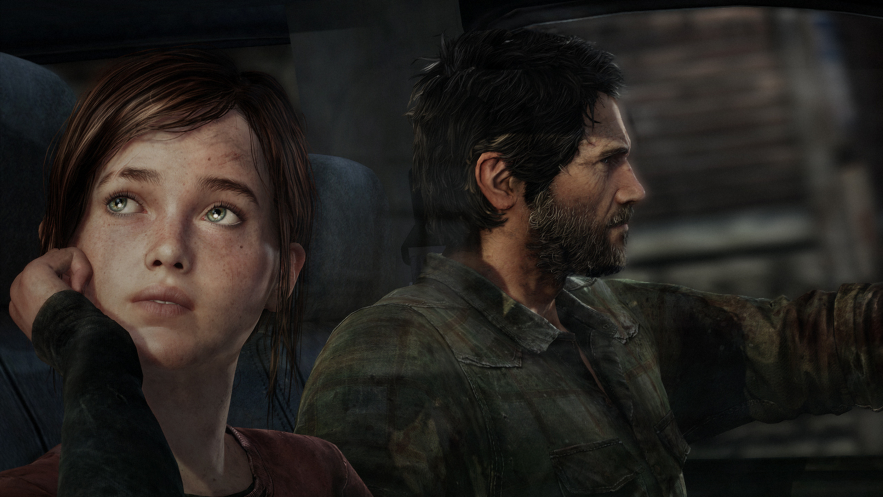
After getting The Last of Us Remastered version today, I realized that even when many gamers bash the idea of an updated version of a game, for the first time in gaming history a second release for a game has become a good thing. Don't get me wrong, a half-baked rehash is still an awful thing to do, but when done right it turns from a "cheap cash in" to an opportunity for gamers and developers alike. Now in order to prove this point of view let's see the arguments that support it:


going too fast

1) The market has become too fast paced.

There used to be a time where a game that became a smash hit, lasted at least a year in the top along with a runner up that always followed close behind, but that thing doesn't happen that often anymore as gaming companies are always trying to keep on each other toes almost making it a race for the gaming community. Competition can get fierce and sometimes that becomes a flurry of games coming in a very tight time span. Take for example the next coming months from September to the holidays, there will be a lot of game releases on different platforms. This is not only a wallet slayer, but also a very time consuming thing as most of these games have online modes that require a lot of play time in order to fully enjoy them. When this happens, some of the games fall through the cracks and are not picked by all the potential buyers they should, (especially when it is a type of gamer that is always keeping up with novelty) so a remastered version of a game becomes a second chance to catch those that didn't bought the game when it was released for the first time and a chance for some gamers to get a little extra for their money as a reward for still having interest in the game even thought is is not new anymore.


Eat Sleep Play

2) Busier gamers get a break.

Gaming is for life, but let's face it. A lot of gamers right now are part of the working class, have a family and/or personal projects to attend to, so they don't have the same amount of time as they used to before getting these responsabilities. Sometimes when a wave of games come by, they can at most play 1 or 2 titles at a time so in this case a lot of new releases are just left hanging. Some of you may be thinking "So what? They just have to buy the games they missed at a later time", but it isn't that easy when we consider that new games keep coming all the time and these people gaming interests often get divided and conflicted (online oriented games vs single player experiences) when time is scarce. This is the reason why remastered games nowadays seem to be a very appealing option for gamers who have that kind of time limitation, especially when the remastered version includes past DLC and/or gameplay extras.


3) It breathes some life into a generation that had a slow start.

This time around, compared to previous console generations, we are seen a much slower pace in early game releases as too many third party companies are still clinging to the previous generation. This had kept the new consoles on some sort of gaming drought that has been hitting for almost a year, with most of the anticipated heavy hitters still on the 2015 list. On this case, remastered versions (done right) serve to inject some interest when they manage to give a clear contrast between the previous and current generations. That contrast is one of the things the begins knocking on people's heads like a drop of water on a rock, until it breaks it and get them to support the platform because they actually see a tangible difference. An example of the complete opposite is the Wii U launch fiasco, where people thought that the new machine was just another Wii and did not ran to the stores to get it as they did with the Wii itself.


Metro Redux

4) Keeps interest in the franchise.

We know that sequels on some famous franchises are almost a given, but these things take time. In order to keep the interest in the franchise going strong until that new game arrives, companies often use remastered versions and that is alright if they do it without the product been a cheap rehash of the same game and if the new version doesn't come a very long time after the original, like Zone of the Enders HD which was one that came too late to have any effect on a good franchise that was just lost in time due to several years of neglect. At this time, remastered versions of games that have been released in the last 2-3 years are good for their corresponding franchises as long as they make it count and don't try to low ball the gaming community or pretend that rehash from a 5+ year old game will sell the same as it did when it first came out. It is also worth pointing out that the success or failure of a game rehash SHOULD NOT be used as a barometer to measure the franchises worth (Konami, I'm looking at you).


Battle Programmer Shirase

5) Serves as exercise for game developers.

Right now, as many companies are still working with previous generation projects, it is a good thing for them to flex their developing muscle a little and warm up in the developing process of the new consoles. While they work with the new SDK (system development kit) tools that each console has to offer, they can get new ideas and test the implementation of various new things while working on a remastered version of their game. This makes it easier for them to explore their own concepts a bit and discover what new things can be implemented in the next game on the franchise. Of course, most of us don't see this happening as we don't have insider access to big game development studios, but in any developing environment (gaming and not) it is very common to make new ideas out of revisiting the old ones, spawning a lot of nice surprises and "aha" moments.


Last of Us Remastered

Wrapping it up

Based on how the videogame market is moving right now, remastered versions of games are not the dreaded money grubber scheme that they used to be. This is because we as a community have become smarter and by materializing our opinions with our wallets, we have forced companies into putting a little more effort into their game rehashes. It may be a temporary thing, but for now they seem to work and deserve a chance. Remember that if you support the franchise now, you are giving a clear message to publishers, saying that you will also support the new games that are to come in the future.

Thursday, July 3, 2014

5 reasons why the AAA game obsession is harming the gaming scene


AAA video games are games with a high budget and big production values. They are nice, cause a lot of hype and give the gaming community something to talk about, but they are not the only games in existence. After reading the opinion that the big guy at Sony, Shuhei Yoshida had about the obsession with AAA games, you can pretty much see that game publishers and developers are getting kind of frustrated with the AAA game rush that is happening in the industry these days. Many gamers just want big games to happen overnight and while gaming companies are not entirely innocent about this, trying to rush the gaming industry is causing more harm than good and here are 5 reasons why.

Watchdogs
The game is good, but some of its potential was hidden in order to meet the deadlines.

1) The sacrifice of quality over speed.

This one is all about the various game developing processes that are affected by rushed developing cycles. First of all, the creative process gets shortened to an extent that many good ideas that gamers could had enjoyed are lost in the process because there is not enough time to include them. Then the game design process is forced to become "too safe" for its own good, so the main base of the game you will pay 40-60+ dollars for is stripped off any "unnecessary" (unnecessary meaning cool stuff) design practices which almost leave the game with a basic canvas that ends up lacking. Finally the technical process becomes a race to the finish line, increasing the possibility of the game having bugs or technical issues that people will most likely complain about later. When all this happens, at least 25% of what could had made a game great is lost.

call of duty
Did you knew that up until know they have been using the same engine over and over again?

2) The dreaded "one year" development cycles.

Even when many people seem to hate when a good franchise gets the "one year - one game" treatment, we have to accept that this is a by-product of wanting big games too fast. Publishers are not just there because of the games, they are mostly because of the money and if their marketing specialists see that demand has risen to a point where they can no longer support it by normal means, they will recommend to speed things up, thus the "one year" development cycle. This causes a lot of things like recycling of resources, decrease in innovation and it basically grind creativeness to a halt up to a point where the only thing that changes are the characters and setting, sort of like one of those cheap novels you find in some department stores for a few bucks.

Valkyria Chronicles
Are we ever gonna get a sequel of this on America?

3) AAA Franchises with a slow development process die off.

When was the last time we saw a revolutionary cutting edge game, with more than 25 hours of game play, featuring new things and nice visuals? We have seen a few exceptions to the rule, but on the broader aspect of things, any franchise that needs to have a slow development development process is marked for death or at least ridiculously delayed. Take for instance many of the games that have vanished. Most of them have some things in common like dynamic game design, detailed game worlds and storylines that go a little deeper than your average "good guy vs bad guy" cliche.

All these things take time, which means that they can't rush them and much less "dissect" them (see point #1) because then the fans will not support it. So what they do is that they ignore those games, but use their names as promotion because they know that fans will love to hear that their favorite franchise is still alive. This is the reason why we haven't seen games like Half Life 3, Beyond Good and Evil or The Last Guardian for a long while. Their development process is slow, so companies never focus on them because they feel like they need to keep an always hungry AAA game crowd happy at all times. Sort of like wanting to offer a professional chef-style dish, but having to settle out with cheap plain burgers because people are asking for food and they want it fast.

desert
This is how the market looks like sometimes and it is our own fault.

4) It causes gaming "droughts".

One of the things that the AAA game obsession has done is kill smaller studios because they are not been supported anymore. Back in the past, smaller studios on the mainstream market (non-indie) were the ones that gave us something to play while the big budget games were developed. It was like going to the game store and seen all these obscure games that had weird release dates and were not advertised that much, later on discovering that they were great under-appreciated gaming experiences. This does not happen anymore because most of those studios have either closed, been absorbed by a bigger company or went "indie" only. For some reason, many gamers decide to wait until the big games are released and pass on anything else.

This created a sort of black hole in the market where all these small studios got sucked in and now we suffer gaming droughts because of it. Let's face it, there are too few small gaming studios in the big market and the ones that are still there are not releasing games like they used to because they have no incentive to make great productions anymore because too many people are just sitting on their consoles waiting for the next new AAA game and not giving anything else a chance.

Castlevania SOTN Alucard
With Igarashi out of Konami we will not see something like this anymore.
5) It saps motivation out of the game companies.

This is a chain reaction that happens when the publishers lay the smack down on their developing teams based on the market (now frivolous) demands. This takes a toll in not only the programmers, but the game designers, writers, musicians and all of the creative team as they struggle to meet the deadlines while leaving precious ideas dead on the table because they don't have enough time/resources to do it. This is in the case that the project becomes a reality and doesn't get canned like it has happened to many games out there. In the end, the motivation to create becomes scarce and many of the most famous developers just give up and become figure heads or just leave the company (which is good for them, but means that the franchise they worked on for so long is either dead or will never be the same).

Tales of the Abyss Anime
The best thing to do is to relax, play and have fun.

Wrapping it up

The gaming industry is going too fast for its own good and this must stop if we really want gaming to be become better instead of a re-hash fest. We must re-learn that good games take time and give a chance to all those "not so famous" games out there, be them in the indie scene or in the mainstream market. We need to stop waiting exclusively for the big games and just play and have fun with what we have. There used to be a time when gaming was based entirely on playing and not on trends or the next big thing so it would be healthy for the gaming scene if we return to that line of thinking, especially if we want our favorite franchises to survive and game developers to keep their creative freedom. This can be achieved and it is all up to you.